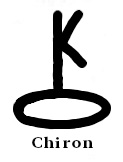






Natal Chiron square natal Midheaven
highlights tension between deep personal wounds (Chiron) and public life, career direction, and reputation (Midheaven). This aspect often describes a journey where professional identity is shaped through confronting vulnerability, setbacks, or feelings of not being “enough” in the outer world.
Physical-Body:
Physically, stress may accumulate when career pressure or public expectations feel overwhelming. The body can register anxiety tied to performance, authority figures, or visibility, sometimes through tightness in the back, neck, or joints—areas linked to bearing responsibility. Restorative routines, balanced workloads, and practices that reconnect purpose with well-being are essential to prevent burnout and build sustainable strength.
Mental-Emotional:
Emotionally, this square can bring self-doubt around success, recognition, or life direction. The person may fear failure or feel exposed when stepping into leadership or visibility. Early experiences with criticism or high expectations may echo in adult ambitions. Over time, these sensitivities become sources of depth and wisdom. Emotional healing helps redefine success in more authentic, soul-aligned terms rather than purely external validation.
Inter-personal:
In relationships, authority dynamics are often significant. The person may project old wounds onto bosses, mentors, or parental figures, or feel overly responsible for others’ expectations. As awareness grows, they learn to separate self-worth from achievement and to seek supportive alliances rather than approval-based connections.
Group:
Within groups or professional communities, this aspect can evolve into compassionate leadership. Having faced their own struggles with visibility and purpose, the individual may guide others through similar challenges. Their lived experience fosters humility and emotional intelligence, helping create group environments where growth, healing, and authentic contribution matter more than status alone.