



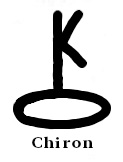


Natal Moon opposite natal Chiron
highlights a deep tension between emotional needs (Moon) and core wounds around belonging, nurturing, or safety (Chiron). This aspect often points to early emotional experiences that sensitized the individual to rejection or unmet needs, shaping a lifelong healing journey.
Physical-Body:
Physically, this opposition can manifest as stress sensitivity, psychosomatic symptoms, or chronic tension that flares during emotional vulnerability. The stomach, chest, or nervous system may react strongly when emotional wounds are activated. Fatigue can arise from emotional overextension or caretaking others at the expense of self-care. The body responds best to gentle, consistent practices—somatic therapies, breathwork, restorative movement—that help release stored emotional pain rather than suppress it.
Mental-Emotional:
Mentally and emotionally, Moon opposite Chiron brings heightened emotional awareness alongside deep sensitivity to criticism or abandonment. There may be recurring feelings of “not being emotionally safe” or fully understood. Old emotional memories can resurface easily, sometimes distorting present perceptions. Healing develops through self-compassion, emotional literacy, and recognizing that vulnerability is not weakness but a bridge to integration and inner security.
Inter-personal:
In relationships, this aspect often draws emotionally complex or wounded partners who mirror unresolved pain. The individual may oscillate between nurturing others and feeling emotionally exposed themselves. Boundaries and honest communication are essential to avoid reenacting caretaker–wound dynamics. When conscious, relationships become powerful arenas for mutual healing rather than emotional re-injury.
Group:
Within groups, Moon opposite Chiron individuals are acutely aware of emotional undercurrents and unspoken pain. They may act as quiet healers or emotional anchors, even when struggling internally. When integrated, this aspect allows the individual to transform personal emotional wounds into empathy, wisdom, and the ability to foster emotional safety within the collective—leading through compassion rather than authority.