Natal Aspects Block



 George-Carlin


 Jaimie-Curtis


 Ayla-Daley
 Salvador-Dali Bruce-Springsteen
 Nikola-Tesla Donald-Trump Vincent-van-Gogh
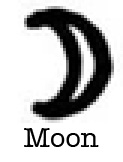
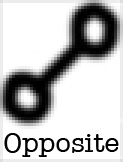
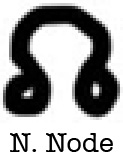
Natal Moon opposite natal Northnode
highlights a strong karmic tension between ingrained emotional patterns (Moon) and the soul’s evolutionary direction (North Node). This aspect suggests that familiar emotional responses feel safe and automatic, yet growth requires moving beyond them toward unfamiliar ways of relating, feeling, and responding.
Physical-Body:
Physically, this aspect can manifest as fluctuating energy levels tied closely to emotional states. The body may react quickly to emotional stress, especially through the stomach, chest, or nervous system. There can be a tendency to default to comfort-based habits that soothe in the short term but limit long-term vitality. Physical balance improves when emotional security is built internally rather than through repetition of old coping patterns.
Mental-Emotional:
Mentally and emotionally, Moon opposite North Node often produces inner conflict between emotional memory and emotional growth. The individual may feel pulled back into familiar moods, family patterns, or habitual reactions, even when they no longer serve personal development. Emotional maturity develops through conscious reflection, learning to tolerate emotional discomfort, and choosing growth-oriented responses over instinctive ones.
Inter-personal:
In relationships, this aspect frequently attracts people who activate old emotional habits or karmic ties. While these connections can feel emotionally intense or “meant to be,” they often challenge the individual to evolve beyond dependency, emotional reactivity, or caretaking roles. Healthy relationships support forward movement rather than emotional regression.
Group:
Within groups, Moon opposite North Node individuals are sensitive to collective emotional patterns and traditions. They may initially seek safety in familiar group dynamics, yet are called to model new emotional responses or relational pathways. When integrated, this aspect allows the individual to honor emotional history without being ruled by it, contributing emotional wisdom, adaptability, and maturity that supports both personal evolution and collective growth.