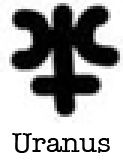


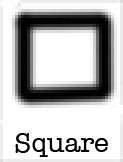
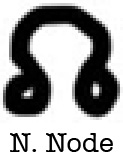


Natal Uranus square natal Northnode
describes tension between the soul’s evolutionary path (North Node) and the urge for freedom, disruption, and radical individuality (Uranus). Growth rarely unfolds smoothly; it is catalyzed by sudden changes that force new directions.
Physical-Body:
Physically, this aspect can manifest as restlessness and nervous energy, especially during periods when life feels fated or constrained. The body may react abruptly to pressure through insomnia, tension, or sudden spikes of adrenaline. There can be a tendency toward irregular rhythms—sleep, appetite, or activity—reflecting difficulty settling into a steady path. Physical balance improves when freedom of movement and variety are built into daily life.
Mental-Emotional:
Mentally, Uranus square the North Node produces resistance to prescribed paths, even when they appear “right.” Emotionally, there can be anxiety around commitment, destiny, or long-term direction. The individual may experience sudden awakenings that disrupt previous plans, creating excitement mixed with fear. Emotional maturity develops through trusting change as part of the evolutionary process rather than fighting or fleeing it.
Inter-personal:
In close relationships, this aspect can generate unpredictability. Others may experience the individual as erratic or difficult to pin down, especially during major life transitions. Sudden breakaways or shifts in relationship dynamics are common when autonomy feels threatened. Relationships thrive when space, flexibility, and acceptance of change are foundational.
Group:
In group or societal contexts, Uranus–North Node tension often places the individual at the forefront of emerging trends or unconventional movements. They may feel out of step with collective expectations yet compelled to push evolution forward. Their contribution is strongest when they embrace their role as a catalyst—introducing new perspectives and pathways that challenge the status quo while remaining conscious of long-term impact rather than impulsive disruption.