Natal Aspects Block




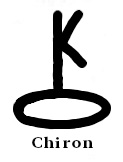


Natal Moon square natal Chiron
highlights a sensitive inner conflict between emotional needs (Moon) and a deep-seated wound connected to nurturing, safety, or belonging (Chiron). This aspect often points to early emotional pain that becomes a catalyst for profound healing and empathy.
Physical-Body:
Physically, this square can manifest as heightened bodily sensitivity, particularly during emotional stress. The body may somaticize unresolved feelings through chronic tension, fatigue, or recurring ailments that flare when emotional wounds are activated. There may be sensitivity in the stomach, chest, or areas associated with caregiving and nourishment. When integrated, this aspect supports strong mind–body awareness, making the individual especially receptive to holistic, somatic, and energy-based healing practices.
Mental-Emotional:
Mentally and emotionally, Moon–Chiron tension often brings vulnerability around feeling cared for or emotionally safe. The individual may carry a sense of emotional inadequacy, rejection, or being “too sensitive.” Emotional reactions can reopen old wounds, yet these experiences also foster self-awareness. Over time, this friction cultivates emotional wisdom, self-compassion, and the ability to tend one’s own emotional needs with gentleness rather than self-judgment.
Inter-personal:
In close relationships, this aspect can surface as sensitivity to abandonment, criticism, or emotional neglect. The individual may oscillate between seeking comfort and withdrawing to avoid pain. Relationships often become mirrors for unresolved wounds. With awareness, Moon square Chiron supports deeply healing bonds, where emotional honesty and mutual care transform vulnerability into trust.
Group:
Within groups, Moon square Chiron often places the individual in the role of the empath or wounded healer. They may feel emotionally exposed or out of place, yet their sensitivity allows them to recognize collective pain. When integrated, this aspect contributes compassion, emotional insight, and the capacity to create safe, healing environments—helping groups turn shared vulnerability into connection and growth.