Natal Aspects Block




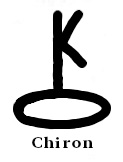


Natal Saturn square natal Chiron
highlights a tension between structure, discipline, and responsibility (Saturn) and the core wounds, vulnerabilities, or areas requiring deep healing (Chiron). This aspect often brings challenges that test resilience and teach profound lessons about self-worth, limits, and compassion.
Physical-Body:
Physically, Saturn square Chiron can manifest as chronic tension, stiffness, or susceptibility to stress-related conditions. Skeletal, joint, or muscular issues may appear, reflecting internalized pressure or unresolved emotional pain. The body may feel burdened when the individual pushes too hard or neglects self-care. Healing practices that combine structure with gentle self-attention—such as yoga, physiotherapy, or mindful movement—help release tension while building resilience.
Mental-Emotional:
Mentally, this aspect produces a deep awareness of limitations, responsibility, and the need for mastery, but can also trigger self-doubt and fear of failure. Emotionally, old wounds may resurface whenever structure or authority is imposed, creating feelings of inadequacy, frustration, or isolation. Over time, this aspect fosters emotional maturity, patience, and the ability to use challenges as catalysts for personal growth and understanding.
Inter-personal:
In relationships, Saturn square Chiron can generate patterns of guardedness, fear of rejection, or difficulty asking for support. The individual may attract partners or mentors who reflect their insecurities or challenge them to confront wounds. Relationships thrive when honesty, vulnerability, and mutual respect replace self-criticism or rigid expectations.
Group:
Within groups or societal contexts, this aspect often manifests as tension between institutional demands and personal integrity. The individual may feel limited by rules or societal expectations while sensing a calling to heal or guide others. Their highest contribution comes from integrating discipline with compassion—creating structures that support collective healing and mentoring others through experience, wisdom, and ethical responsibility.