



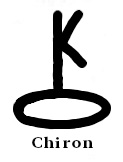


Natal Uranus square natal Chiron
describes tension between the urge for freedom, originality, and sudden change (Uranus) and deep-seated wounds around belonging, difference, or self-acceptance (Chiron). Healing tends to occur through disruption rather than gradual process.
Physical-Body:
Physically, this aspect can manifest as nervous system sensitivity, sudden tension, or stress-related flare-ups that appear without clear cause. The body may react strongly to shocks, sudden changes, or environments that feel restrictive. Accidents or abrupt health issues can coincide with emotional triggers connected to feeling rejected or misunderstood. Physical healing is supported by approaches that combine innovation and care—such as alternative therapies, somatic release, or bodywork that addresses trauma held in the nervous system.
Mental-Emotional:
Mentally, Uranus square Chiron produces sharp awareness of difference and injustice. Emotionally, there may be sudden eruptions of pain linked to old wounds, especially when individuality is challenged. The individual may oscillate between emotional detachment and intense reactivity. Insight often arrives suddenly, but integration takes time. Growth comes from accepting sensitivity as a strength rather than a flaw and allowing healing to unfold in non-linear ways.
Inter-personal:
In close relationships, this aspect can generate unpredictable dynamics. The person may fear being wounded if they fully reveal their uniqueness, yet feel trapped if they suppress it. Sudden separations or reconnections may occur around moments of vulnerability. Relationships thrive when authenticity, emotional safety, and respect for difference are prioritized.
Group:
In collective settings, Uranus–Chiron tension often positions the individual as a wounded innovator or outsider-healer. They may challenge group norms by exposing where systems exclude or harm. Their highest contribution comes from using lived experience to advocate change—introducing new approaches to healing, inclusion, or reform that arise from personal insight rather than theory alone.