



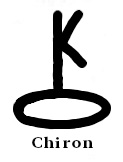


Natal Venus opposite natal Chiron
describes a sensitive polarity between love, pleasure, and self-worth (Venus) and deep emotional wounds alongside the potential for healing (Chiron). This aspect often highlights how experiences of affection and value intersect with vulnerability and growth.
Physical-Body:
Physically, this opposition may manifest as heightened sensitivity to relational stress. Emotional pain or rejection can register somatically through tension in the chest, throat, or stomach, or through fluctuations in comfort-seeking behaviors such as eating or resting. The body may oscillate between craving soothing connection and bracing defensively. Gentle self-care, nurturing routines, and grounding practices help restore a sense of safety and balance.
Mental-Emotional:
Mentally and emotionally, Venus opposite Chiron frequently reflects early experiences where love, approval, or beauty felt conditional or wounding. This can create insecurities around attractiveness, lovability, or worth. The emotional life may carry both longing for closeness and fear of hurt. Yet this aspect also grants profound empathy and the capacity to understand the pain of others. Healing emerges through self-acceptance and reframing vulnerability as strength.
Inter-personal:
In relationships, this aspect can bring tender, karmic-feeling bonds that expose old wounds related to rejection, abandonment, or inadequacy. The individual may attract partners who mirror unresolved sensitivities. While this can create recurring pain patterns, it also opens the door to deeply healing connections when honesty, compassion, and emotional awareness are present.
Group:
Within groups, Venus opposite Chiron can express as sensitivity to belonging, acceptance, and social harmony. The person may feel different or easily hurt, yet often becomes a source of kindness and understanding for others. When integrated, this aspect supports creating environments of emotional safety, fostering compassion, and transforming relational wounds into pathways of connection and healing.