



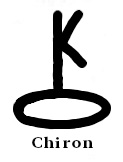


Natal Neptune opposite natal Chiron
reflects a subtle yet profound tension between Neptune’s themes of spirituality, imagination, compassion, and dissolution and Chiron’s symbolism of deep wounds, vulnerability, and healing. Overall, this aspect often indicates a heightened sensitivity to pain — both personal and collective — alongside a powerful capacity for empathy and intuitive healing. While it can bring confusion, escapism, or idealization around suffering, it also supports transformative growth through compassion, creativity, and spiritual awareness.
Physical-Body:
Physically, Neptune opposite Chiron may correlate with heightened sensitivity to stress, medications, or environmental influences. Energy levels can fluctuate, and psychosomatic symptoms may arise when emotional boundaries are unclear. Gentle self-care, adequate rest, and holistic or mind–body practices can support balance and resilience.
Mental-Emotional:
Mentally and emotionally, this aspect can produce deep empathy, imagination, and intuitive understanding of wounds. However, there may be challenges with self-doubt, emotional fog, or difficulty distinguishing personal feelings from absorbed external energies. Developing grounding techniques and emotional clarity helps transform vulnerability into wisdom.
Inter-personal:
In relationships, Neptune opposite Chiron can manifest as idealization, sacrifice, or healing-oriented dynamics. You may attract individuals who evoke compassion or trigger unresolved sensitivities. While connections can feel soulful or therapeutic, maintaining realistic expectations and boundaries is crucial to avoid disappointment or emotional drain.
Group:
In collective or professional contexts, this opposition supports roles involving healing, creativity, spirituality, or service. You may feel drawn to contribute through artistic, therapeutic, or humanitarian avenues. Challenges arise if ideals lack structure or if emotional boundaries blur within group dynamics.
Ultimately, Neptune opposite Chiron symbolizes healing through compassion — transforming sensitivity and imagination into insight, empathy, and meaningful support for oneself and others.